Tapati Rapa Nui festival
February’s two-week “cultural Olympics” between rival kainga families — sports, carving, music, and crowning a festival queen. It has grown with tourism but remains rooted in community pride.
The most detailed Tapati guide online
Below you will find dedicated articles on how the festival began, how the queen contest works, what each major competition involves, where evening events happen, and how to plan a respectful visit. Every page is available in English, Spanish, and German.
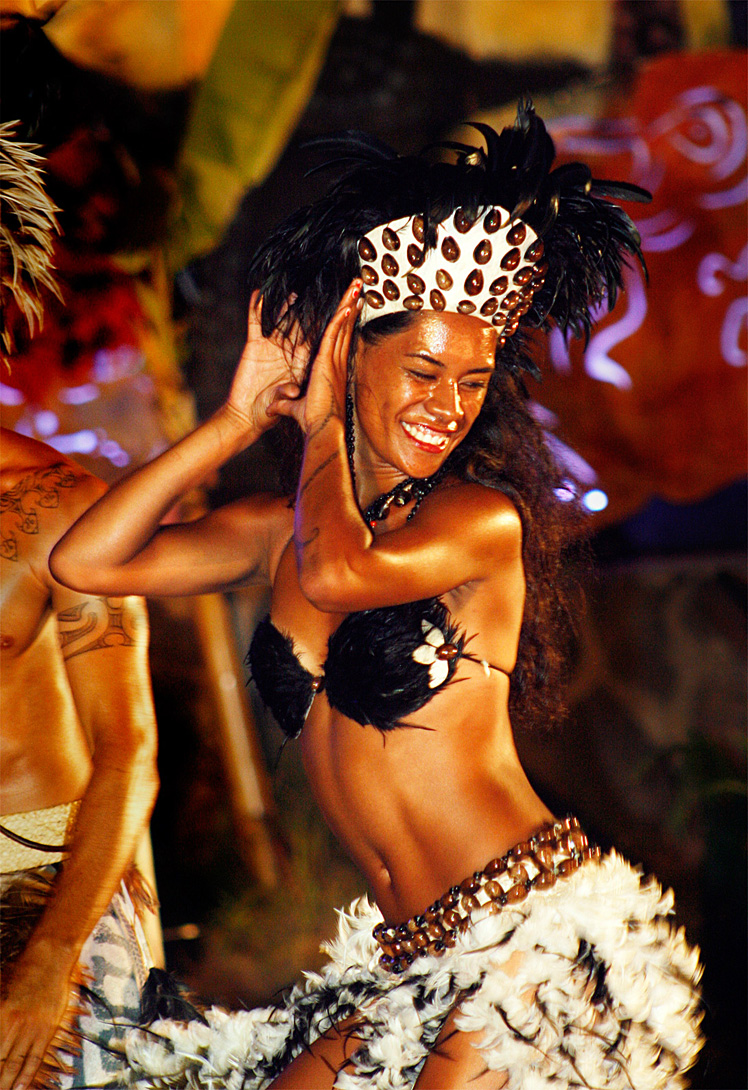
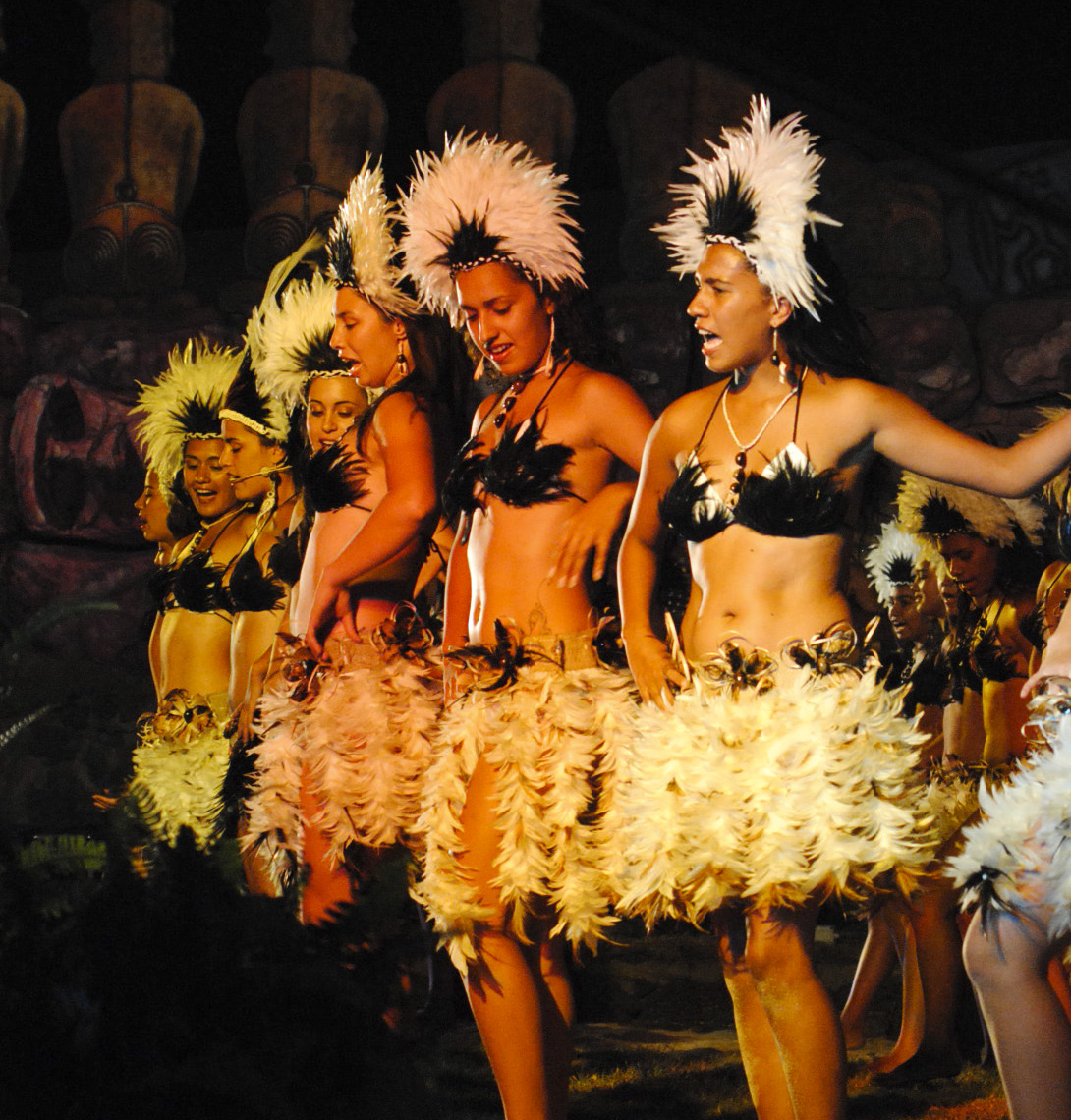
The Tapati Rapa Nui is an annual, two week long festival held in the beginning of February, in which two families compete in cultural competitions all over the island, such as music, sculpture, sports, body painting, fishing and much more. Each of the two families have a representative - a queen candidate. The candidates have to partake in most of the competitions, which can sometimes be several on the same day. The candidates and their fellow family representatives gain points for winning competitions, and the family that at the end of the festival has had most points will have its candidate crowned queen.
The festival grew from community initiatives in the late 1960s (often remembered as Semana de Rapa Nui) into the two-week February celebration held today. For decades it was primarily an island affair; as air links and global interest expanded from the 1990s onward, Tapati gained worldwide attention while remaining organised around kainga families. Read the full chronology in our history & origins article.
Tourist participation
Tourists are allowed to participate in two competitions:
Dancing on stage
A month of practice is required, which means you will have to be present in the beginning of January. Costumes will be made and given to you by the family that you choose to support. Dances are performed on two occasions and usually 150-200 people are participating.
Parade
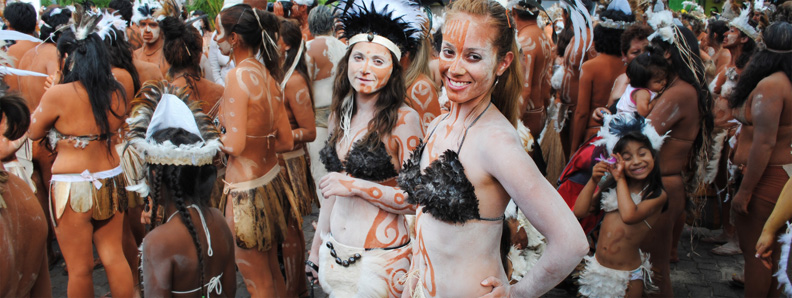
At the end of the festival. Families gain points for the quantity of participators, as well as for the artistic creations they present. Body paint and costumes will be offered to you by the family that you choose to support at the common place of gathering and preparation of that family.